The Soldiers Nigeria Forgets
A Tribute to the Fallen and a Call for Accountability
An Advocacy Statement by St Tamandu Marine Patrol (STMP) | A Chapter of Denorsemen Kclub International (DNKI) | April 2026
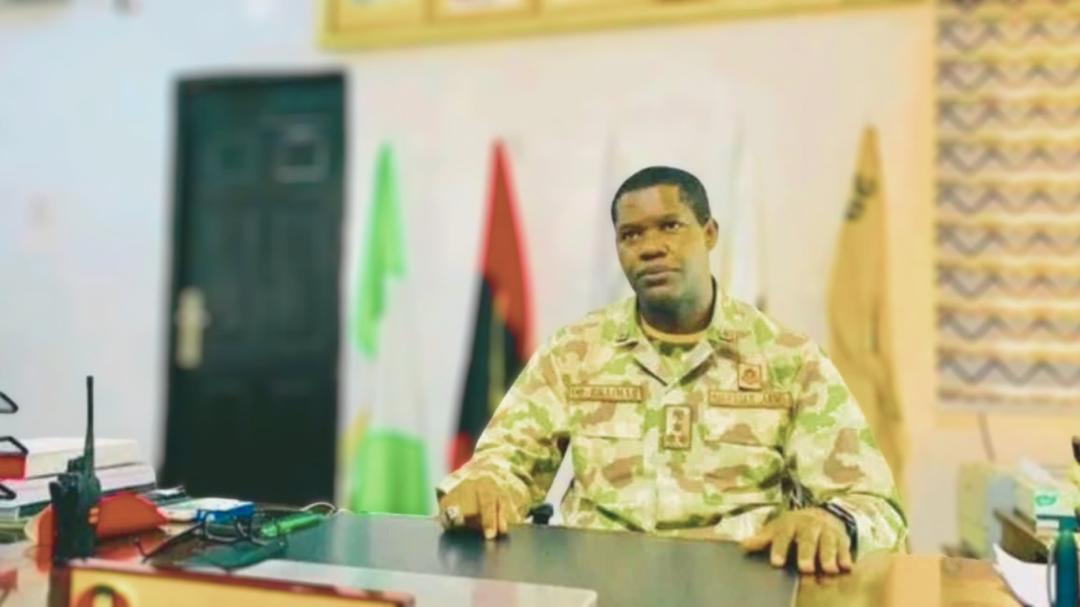
In the early hours of April 9, 2026, while most of Nigeria slept, militants launched a coordinated assault on the 29 Task Force Brigade headquarters in Benisheikh, Borno State. They came with explosives and sustained gunfire. They fought for hours. When the attack was repelled, Brigadier General Oseni Omoh Braimah, Commander of the Brigade under Operation HADIN KAI, was dead. So were a number of the soldiers who served under him. The nation mourned for a day. And then, as it so often does, the news cycle moved on.
We write this because we are not ready to move on. Not without naming plainly what the loss of Brigadier General Braimah and the soldiers who fell alongside him truly represents for this country, and not without raising the questions that formal condolences rarely address.
This is not the first general Nigeria has buried in recent months. In November 2025, Brigadier General Musa Uba was killed by ISWAP militants following an ambush in Borno State. Two generals lost in five months. Alongside them, dozens of rank-and-file soldiers were killed in the same period across multiple theatres of operation, men whose names most Nigerians will never know. What is happening in the north-east is not a temporary escalation. It is a protracted war, now entering its seventeenth year, that has consumed thousands of Nigerian soldiers across its duration and shows no signs of relenting.
According to the Global Centre for the Responsibility to Protect, Nigeria’s armed forces are now deployed in two-thirds of the country’s states, fighting simultaneously on multiple fronts: ISWAP and Boko Haram in the north-east, Lakurawa-linked armed groups in the north-west, farmer-herder violence in the Middle Belt, and unrest in the south-east. The Soufan Center, an independent international security research organisation, documented in 2025 that concerns have been raised by analysts about troop welfare, procurement accountability, and logistical challenges as factors that affect the military’s operational capacity. Nigeria’s 2026 defence budget stands at approximately N5.41 trillion, with N1.504 trillion allocated specifically to the Army. These are substantial commitments. The soldiers on the ground deserve to feel that these resources reach them.
There is a welfare dimension to this crisis that receives far less attention than the military operations themselves. Academic research published in 2024, drawing on interviews with widows of soldiers killed in the Boko Haram conflict, found that accessing death benefits and entitled pensions is often a deeply difficult process for bereaved families. The benefits are reflected in policy: burial expenses, pension payments, insurance schemes, and education support for children. But navigating the bureaucratic processes to receive them has proven, for many widows, to be slow, confusing, and in documented cases, unsuccessful. A 2025 investigation by Sunday Punch raised similar concerns, prompting the Army to invite aggrieved families to come forward publicly. The willingness to receive those complaints is a positive step. The question now is whether it translates into genuine reform of the process that caused them.
For the families of soldiers killed in combat, the grief does not end when the funeral does. It continues in the waiting rooms of military pension offices, in the repeated phone calls, in the paperwork that arrives incomplete. Nigeria calls its soldiers heroes. The measure of that word is not how it sounds in a condolence statement. It is whether the widow of a corporal killed in Borno can access what her husband earned without spending years fighting a bureaucracy to claim it.
What We Are Calling For. St Tamandu Marine Patrol honours Brigadier General Oseni Omoh Braimah and every soldier who has fallen in the service of this country. We honour them not with words alone but with a clear and respectful call to the relevant institutions of state. We call on the military and the Federal Government to urgently streamline the process by which the families of fallen soldiers access their entitled benefits, removing bureaucratic barriers that delay or deny what these families have earned through the ultimate sacrifice of their loved ones. We call for transparent public reporting on how the defence budget is deployed, including welfare allocations for serving and fallen personnel, so that Nigerians can have confidence that the resources committed to their military reach the people they are meant to serve. We call for a clear, publicly communicated long-term counter-insurgency strategy, one that goes beyond individual operations and addresses the structural conditions that have allowed this insurgency to persist for seventeen years. And we call on all Nigerians to recognise and honour the sacrifice of the ordinary soldier, not only the general who commands him.
Brigadier General Braimah is gone. The soldiers who fell beside him are gone. The insurgency that took them is not. Nigeria has spent seventeen years fighting it, trillions of naira have been spent on the fight, and the lives of thousands of its bravest citizens sustaining it. The nation owes those citizens, and the families they leave behind, more than condolences. It owes them accountability, transparency, and the assurance that their sacrifice is being matched by the full weight of institutional commitment on the other side.
Honour them not with condolences alone. Honour them with accountability.
St Tamandu Marine Patrol (STMP)
Denorsemen Kclub International (DNKI)
April 2026