
Nigeria: Our Journey, Our Challenges, Our Responsibility and Our Hope
66 YEARS OF INDEPENDENCE
An Independence Day Reflection by Santa Tamandu MP
On 1 October 1960, the green and white flag of an independent Nigeria was raised, carrying with it the dreams of millions of people and the promise of a nation capable of determining its own destiny.
Sixty-six years later, Nigeria remains a country of extraordinary human and natural potential. We have survived a civil war, military governments, political crises, economic recessions, and periods of profound national uncertainty. We have also built Africa’s most populous nation into an important economic and cultural force whose people excel across business, technology, entertainment, academia, sports, and professional life.
Yet Independence Day should be more than a celebration. It should also be a moment of national reflection. At 66, we must be courageous enough to ask: How far have we travelled, what have we achieved, where have we failed, and what kind of Nigeria do we intend to leave to the next generation?
A Nation Still Searching for Security
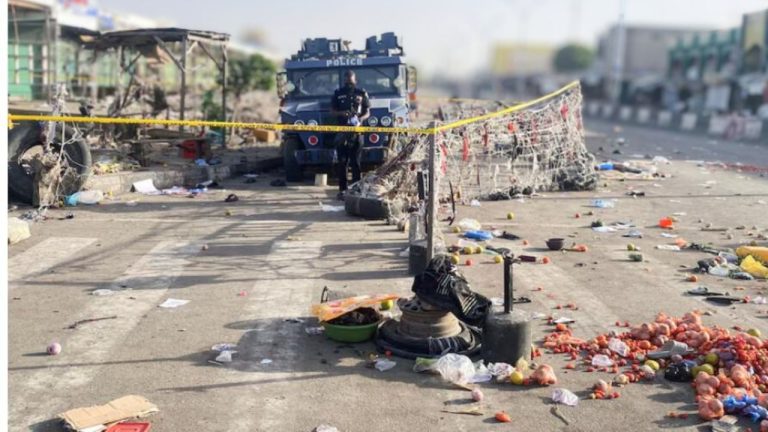
Perhaps nothing challenges the meaning of independence more than citizens who cannot live, travel, farm or conduct business without fear.
Nigeria continues to confront insurgency, banditry, kidnapping, communal violence and other forms of insecurity across different parts of the country. Behind every security statistic is a human story – a farmer afraid to return to his land, a family waiting for a kidnapped relative, a trader uncertain about travelling to another state, or a community displaced from the place it once called home.
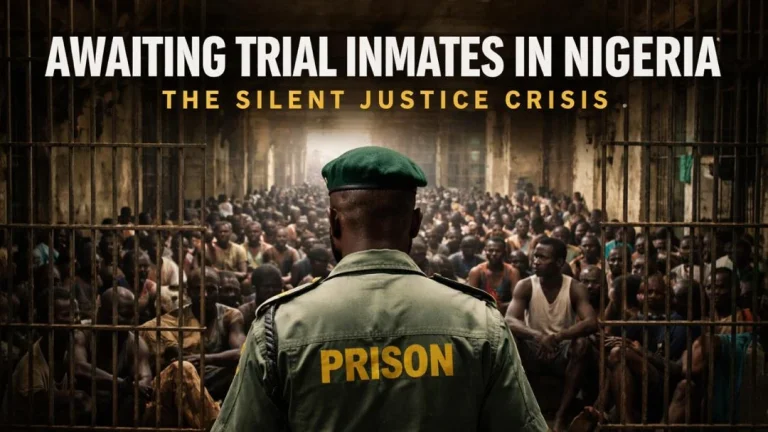
Security cannot be treated simply as a military problem. Effective policing and intelligence are essential, but sustainable security also depends on functioning local institutions, economic opportunity, education, justice and public confidence in government. Nigeria needs better intelligence-led policing, stronger coordination among security agencies, improved border management, greater investment in technology, faster justice for serious crimes and more effective community-level security partnerships within the law.
Most importantly, economic development must become part of our security strategy. A society that leaves millions of young people without realistic opportunities creates vulnerabilities that criminal organisations can exploit.
Corruption: The Enemy Within
Nigeria’s struggle with corruption did not begin yesterday, and it cannot be attributed to one government, political party, ethnic group or generation.
It has become a systemic problem that reaches beyond the theft of public funds. Corruption appears whenever public responsibility is converted into private advantage – through bribery, inflated contracts, diversion of resources, favouritism or abuse of office.
The solution cannot be slogans alone. Public procurement should be more transparent and digitally traceable. Oversight and anti-corruption institutions need operational independence and adequate resources. Public expenditure should be easier for citizens to scrutinise. Investigations and prosecutions should follow evidence and due process irrespective of status or political affiliation.
But government alone cannot defeat corruption. When citizens condemn corruption publicly but participate in it privately, the cycle continues. National renewal requires integrity in both public and private life.
Inflation and the Struggle of the Nigerian Household
For millions of Nigerians, the economy is not measured primarily by GDP figures, foreign reserves or economic forecasts. It is measured in the market: How much food can I buy? Can I afford transportation? Can I pay school fees? Can my salary still feed my family?
Inflation and the rising cost of living have placed enormous pressure on households. Even where broader economic indicators improve, families may continue to feel hardship until incomes, food affordability, transportation costs and employment opportunities improve in practical terms.
Nigeria must therefore focus on turning economic reform into improvements people can actually feel. That requires increased food production, better transportation and logistics, stronger electricity supply, lower costs of doing business, well-targeted support for vulnerable households and an environment in which productive private enterprises can expand.
Job Insecurity and the Nigerian Youth
Nigeria possesses one of its greatest assets in its young population. But a youthful population becomes an economic advantage only when people are educated, skilled and productively employed.
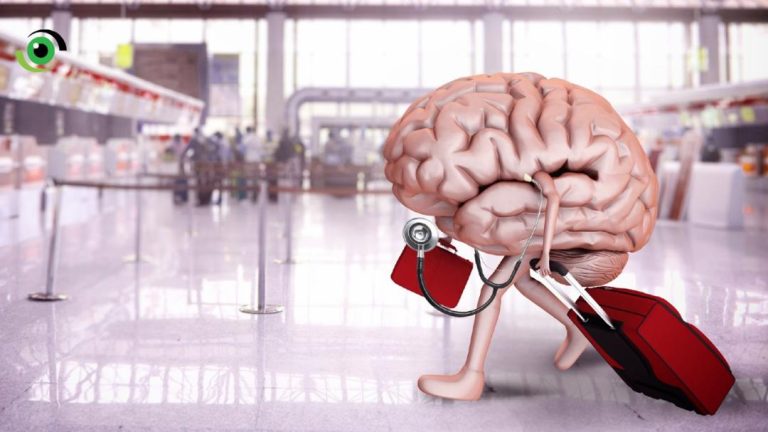
Young graduates spend years searching for work. Skilled professionals increasingly consider opportunities abroad. Small businesses struggle with electricity, finance, taxation, logistics and unpredictable operating costs. Workers who have jobs worry about whether their incomes can keep pace with living expenses.
Nigeria does not merely need more jobs. Nigeria needs more productive jobs. Sustainable employment growth requires an economy in which agriculture, manufacturing, technology, logistics, creative industries, mining and services can attract investment and expand.
Technical and vocational education should receive greater attention. A functioning economy needs graduates, technicians, engineers, artisans, programmers, mechanics, agricultural specialists and skilled tradespeople. Entrepreneurship also requires electricity, access to finance, functioning infrastructure, predictable regulation and viable markets.
Leadership and Stronger Institutions
Nigeria’s development cannot depend indefinitely on finding one extraordinary leader. Strong countries are built on strong institutions.
Institutions must be capable of functioning regardless of who occupies an office. Public appointments should increasingly reward competence and integrity. Government programmes should have measurable outcomes. Citizens should be able to see how public money is being spent and what results it produces.
Leadership also exists beyond Abuja and the state capitals. It exists in local government, traditional institutions, religious organisations, businesses, schools, professional associations, families and communities. Every Nigerian exercising authority over another person carries some responsibility for the Nigeria we are building.
Education Must Become a National Emergency
The future of Nigeria is sitting inside today’s classrooms, and too many children are still not receiving the education, nutrition and skills necessary to compete effectively in tomorrow’s economy.
Education requires more than constructing classrooms. Nigeria needs better-trained and motivated teachers, improved school accountability, vocational education, digital literacy, stronger links between universities and industry, and curricula that equip young Nigerians to solve real problems. No country can sustainably develop beyond the quality of its people.
From Consumption to Production
Nigeria must progressively build an economy that produces more of what Nigerians consume and competes more effectively internationally.
Agriculture must move beyond subsistence farming toward processing and agribusiness. Manufacturing requires reliable electricity and infrastructure. Nigeria’s technology and creative sectors need an environment in which innovation can scale.
The long-term objective should be straightforward: Produce more. Export more. Innovate more. Employ more.
Our Diversity Must Become Our Strength
Nigeria contains hundreds of ethnic groups, languages and traditions. Our diversity was never destined to be our weakness.
It becomes a weakness only when ethnicity and religion are manipulated to divide citizens or determine who deserves opportunity, justice or belonging. We can proudly belong to our various communities while simultaneously recognising a common Nigerian citizenship.
Unity does not mean eliminating our differences. It means refusing to allow those differences to destroy our common future.
The Nigeria We Must Build
After 66 years, perhaps our greatest mistake would be believing that Nigeria’s problems are impossible to solve. They are difficult. They are deeply rooted. Some will take years to address. But they are not beyond us.
The path forward requires security founded on intelligence and justice; accountable institutions; transparent public expenditure; an economy that encourages investment and production; affordable and reliable infrastructure; serious investment in education and skills; stronger social protection for vulnerable citizens; and opportunities that allow young Nigerians to build meaningful lives at home.
Independence Must Mean Responsibility
As we celebrate 66 years of independence, perhaps it is time to redefine what independence means.
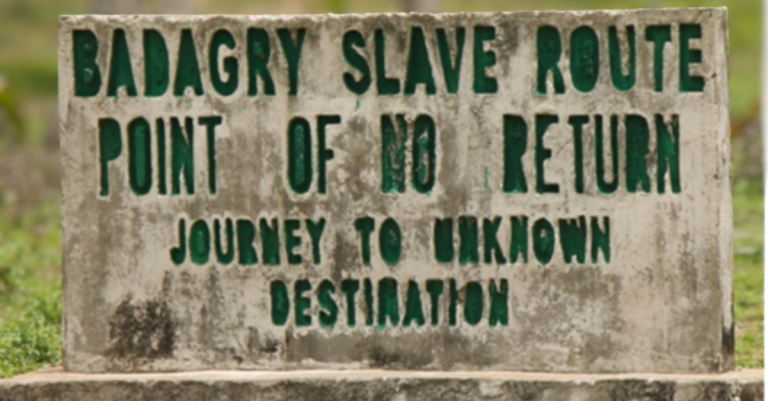
Independence is not simply freedom from colonial rule. It is the responsibility to govern ourselves well. It is the responsibility to protect our citizens. It is the responsibility to ensure that public resources serve the public. It is the responsibility to create opportunities for the next generation. And it is the responsibility of citizens to demand accountability while practising the same integrity we expect from those who lead us.
Nigeria’s story is still being written. Our past contains triumph and tragedy, progress and disappointment. But our future does not have to be a repetition of our past.
At 66, Nigeria does not need Nigerians who have stopped believing in her. Neither does she need patriotism that pretends everything is fine. She needs citizens who love their country enough to confront what is wrong with it and are courageous enough to participate in making it better.
May this Independence Day be more than another public holiday. May it become another opportunity to renew our commitment to a Nigeria where security is a right, integrity is expected, work is rewarded, opportunity is available, justice is respected and every child has reason to believe in tomorrow.
Nigeria can still become the country we dream about. But that Nigeria will not simply arrive. We must build it. Together.
Happy 66th Independence Day, Nigeria. God bless the Federal Republic of Nigeria.
SANTA TAMANDU MP
Independence Day Message – 1 October 2026