They Took The Body. They Did Not Take The Mind. Or Did They?
SANTA TAMANDU MARINE PATROL | DNKI | ADVOCACY PUBLICATION | JUNE 2026
A Pre-Visit Reflection on the Point of No Return, Badagry, and the Unfinished Business of Mental Decolonisation
An Advocacy Article by Santa Tamandu Marine Patrol (STMP) | A Chapter of De Norsemen Kclub International (DNKI) | June 2026
Issued by: Santa Tamandu Marine Patrol | RC 7458 | www.santatamandu.org
Reference: STM/ADV/HRT/007/2026 | June 2026
Addressed to: The Nigerian Public, the African Diaspora, and All Who Carry the Weight of This History
On the 27th of June, 2026, members of the Santa Tamandu Marine Patrol will walk the road that hundreds of thousands of Africans were forced to walk, shackled and stripped of everything but their heartbeat, to the edge of the continent at Gberefu Island, Badagry. They walked toward the Atlantic Ocean and never came back. We will walk the same ground and return. That return is not incidental. It is the point.
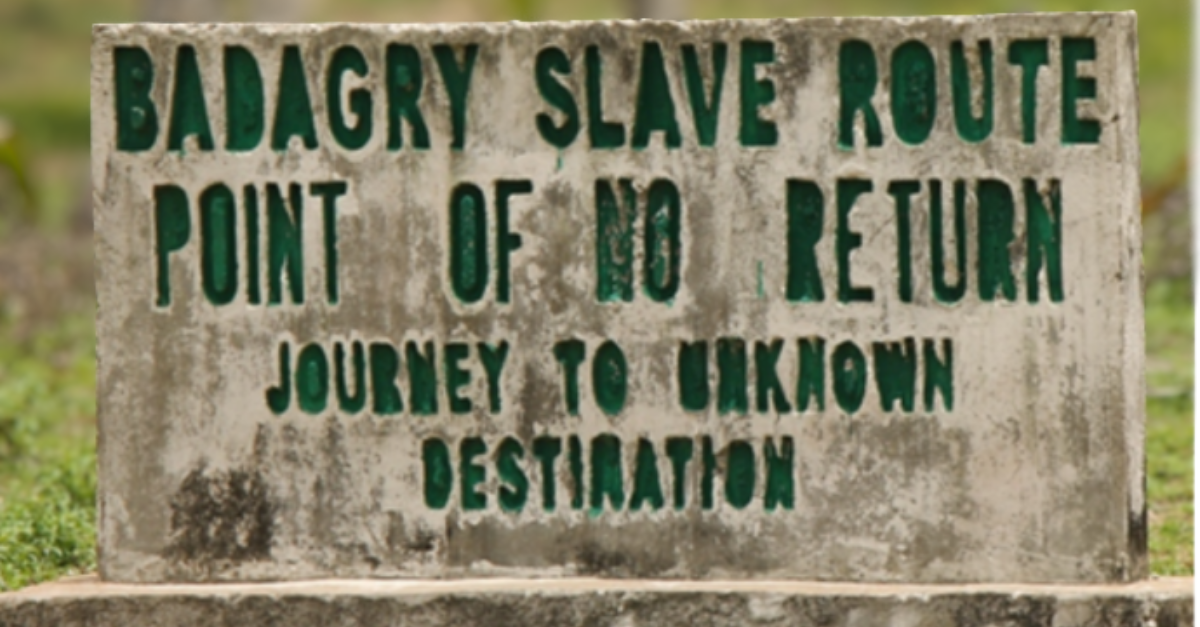
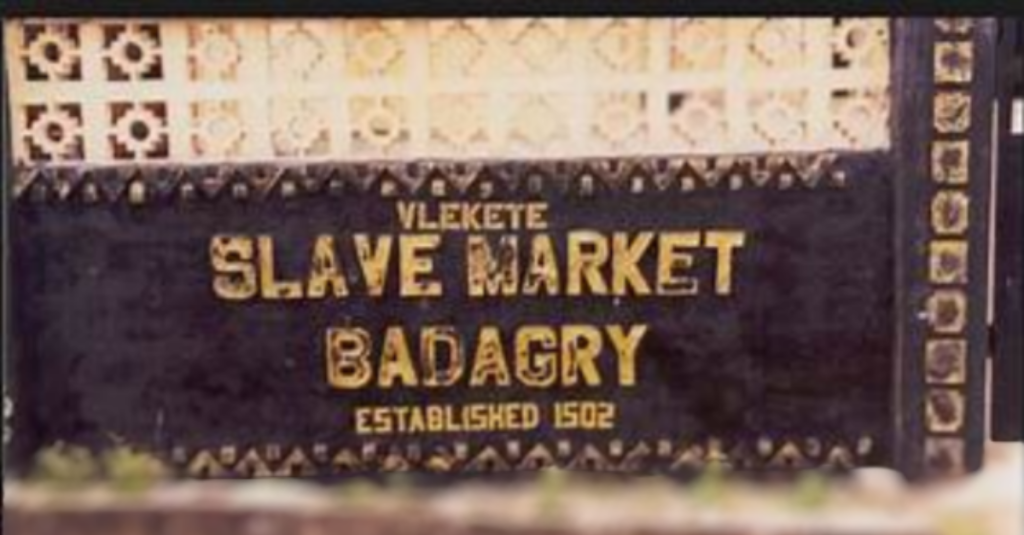
Founded in 1425 AD, Badagry played a central role in the global transatlantic slave trade. Over three centuries, more than 500,000 Africans were sold into slavery through its coast. The Vlekete Slave Market, established in 1502, was where human beings were bought and sold like cargo. From there, captives were held in barracoons, cramped and poorly ventilated cells, before being marched in chains along a two-kilometre route to the Point of No Return at the Atlantic shore, where ships waited to carry them to the Americas, never to return.
The Point of No Return was named by those who believed that once an African left that shore, Africa was gone from them forever. They were wrong.
There is a well on Gberefu Island that has not been drunk from in over a century. During the slave trade, captives were forced to drink from it, water charmed by local shamans with the intention of erasing memory and cutting psychological ties to home. Whether one accepts the spiritual dimension of that act or not, the intent is unmistakable: the architects of the slave trade understood that a person who remembers where they came from is a person who will resist. The first act of total enslavement was not the chain on the body. It was the assault on the mind.
This is the dimension of slavery that is least visible in the history books and most present in our daily lives. Frantz Fanon, writing from the frontline of the African decolonisation struggle, identified it with surgical clarity. Those who recover their minds, he observed, are more dangerous than those who recover only their lands. Physical chains were broken by abolition. But the mental architecture that slavery and colonialism built, the internalised sense of inadequacy, the instinct to measure African worth against foreign standards, the discomfort with African identity in its fullness, did not dissolve with independence. It was left behind, embedded in how institutions were built, how children were educated, and how a generation learned to see themselves.
"Each generation must discover its mission, fulfil it or betray it, in relative opacity." — Frantz Fanon
Mental decolonisation is the work of recovering what the Spirit Attenuation Well was designed to take. It is the work of knowing one’s history not as a wound to be pitied but as a foundation to be built upon. It is the refusal to see African culture, African intelligence, and African identity as legitimate without external validation. Steve Biko said it directly: the greatest weapon in the hands of the oppressor is the mind of the oppressed. The work of dismantling that weapon is personal, cultural, and generational. It begins with the willingness to remember.
The Santa Tamandu Marine Patrol visits Badagry on 27th June, 2026, not as tourists. We go as Nigerians who understand that the journey to the Point of No Return did not end at the Atlantic. We go to stand at the place where the physical chain was placed on African bodies and to ask what chains remain on African minds. We go to look at that well and to remember that someone, centuries ago, believed that the most effective way to control a people was to make them forget who they were.
We go to remember. Because remembering is resistance. The Point of No Return was not the last word. It was a comma. We are the sentence that follows.
The ship has not finished sailing. The journey back begins in the mind.
Santa Tamandu Marine Patrol (STMP)
De Norsemen Kclub International (DNKI)
June 2026
Santa Tamandu Marine Patrol (STMP) | A Chapter of De Norsemen Kclub International (DNKI)
Service to Humanity