Driven To End Malaria: Now We Can. Now We Must
Santa Tamandu Marine Patrol Marks World Malaria Day 2026 with Community Outreach at Abattoir Market, Agege, Lagos
A Community Service Report by Santa Tamandu Marine Patrol (STMP) | A Chapter of De Norsemen Kclub International (DNKI) | April 2026
Issued by: Santa Tamandu Marine Patrol | RC 7458 | www.santatamandu.org
Reference: STM/ADV/HLT/006/2026 | April 2026
Every year, on the twenty-fifth of April, the world pauses to reckon with one of its oldest and most relentless enemies. World Malaria Day is not a celebration. It is a reckoning. It is the moment when governments, institutions, and communities are called to look honestly at a disease that has claimed more human lives across the African continent than most wars in recorded history, and to ask, with the seriousness the question deserves, what more can be done. This year, the World Health Organisation issued its call under a theme that is simultaneously a statement of hope and a demand for urgency: Driven to End Malaria: Now We Can. Now We Must. The Santa Tamandu Marine Patrol (STMP), Lagos Chapter of De Norsemen Kclub International, heard that call and answered it, not with a statement, not with a resolution, but with action, in the markets, among the people, where the need is most acute and the reach of formal institutions is most limited.
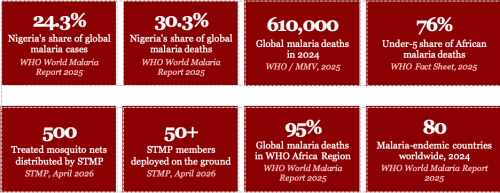
Malaria is not an abstraction in Nigeria. It is a daily reality that organises the lives of families, depletes household incomes, overwhelms health facilities, and takes children before they have had a chance to live. According to the 2025 World Malaria Report, Nigeria carries a burden that no other country on earth can match. Nigeria accounts for 24.3% of all estimated global malaria cases and 30.3% of all estimated malaria deaths. Globally, 610,000 people died from malaria in 2024 alone. Of that number, Nigeria contributed the largest single national share. The WHO Africa Region accounts for 95% of all malaria deaths worldwide, and within that region, Nigeria stands at the head of a list that no country should want to lead.
The face of malaria in Nigeria is not the face of the powerful. It is the face of the elderly woman who cannot afford consistent medication. It is the face of the young mother nursing a child through fever in a market stall because she cannot leave her goods unattended. It is the face of the child under five, the age group that accounts for approximately 76% of all malaria deaths across the African region, who does not yet understand what is happening to their body, only that they are in pain. These are the faces that the Santa Tamandu Marine Patrol looked for on the morning of 25th April, 2026, and these are the faces they found at Abattoir Market, Agege.
Nigeria carries 24.3% of global malaria cases and 30.3% of global malaria deaths. Of 610,000 people who died from malaria in 2024, Nigeria contributed the largest single national share.
The Abattoir Market in Agege, Lagos, is not the kind of place that makes it onto the schedules of institutional health campaigns. It is loud, dense, commercial, and alive with the energy of people engaged in the daily struggle of earning a living. Traders have been at their stalls since before sunrise. Elderly men sit under awnings out of the heat. Mothers move between stalls with children on their backs and in their hands. The market does not wait for anyone, and formal health interventions rarely make the journey to meet it where it stands. The Santa Tamandu Marine Patrol made that journey deliberately. Markets are the heartbeat of any community, where the elderly gather, where mothers bring their children, and where the realities of daily life play out without pretence. It is precisely in such spaces that the burden of malaria is felt most acutely, and it is precisely in such spaces that Norsemen belong.
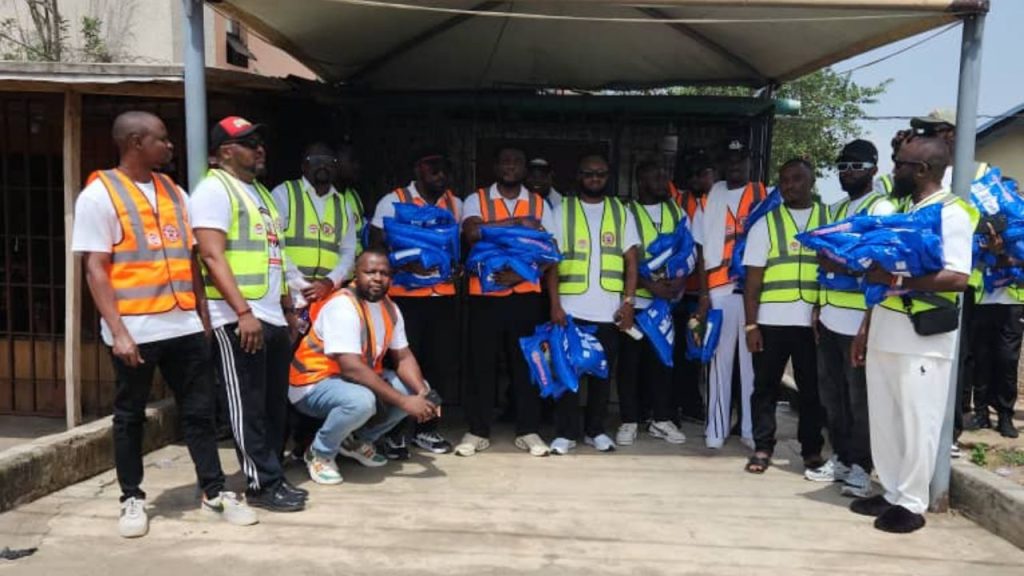
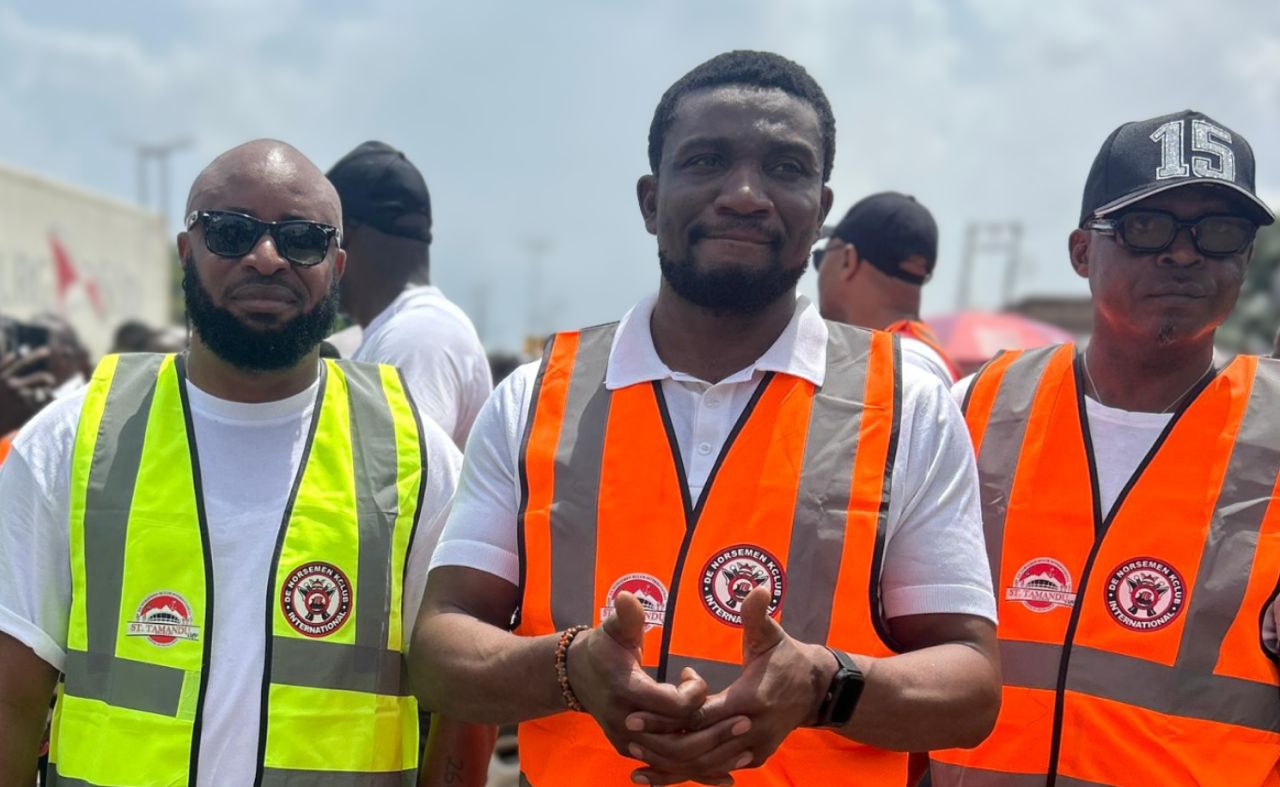
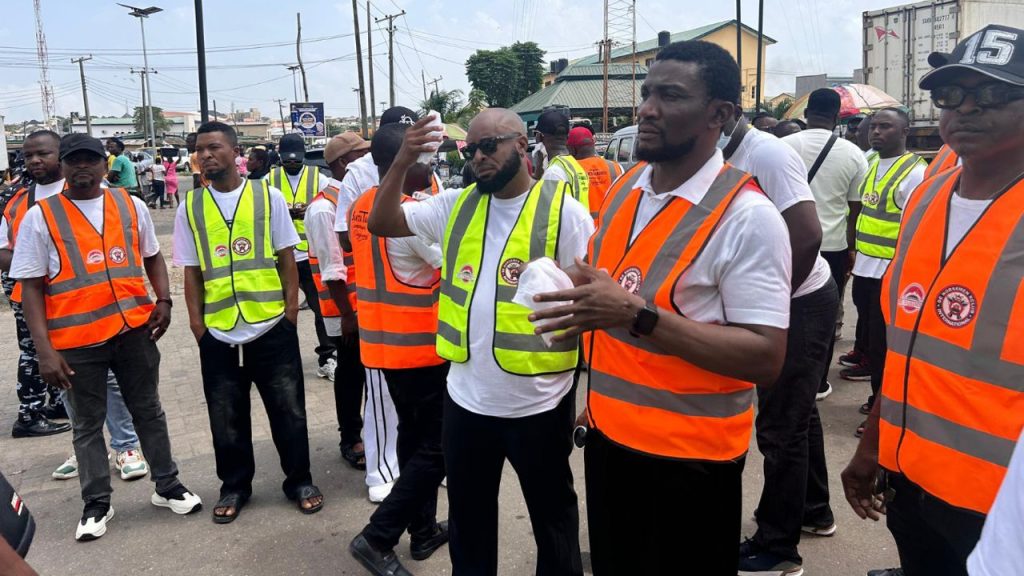
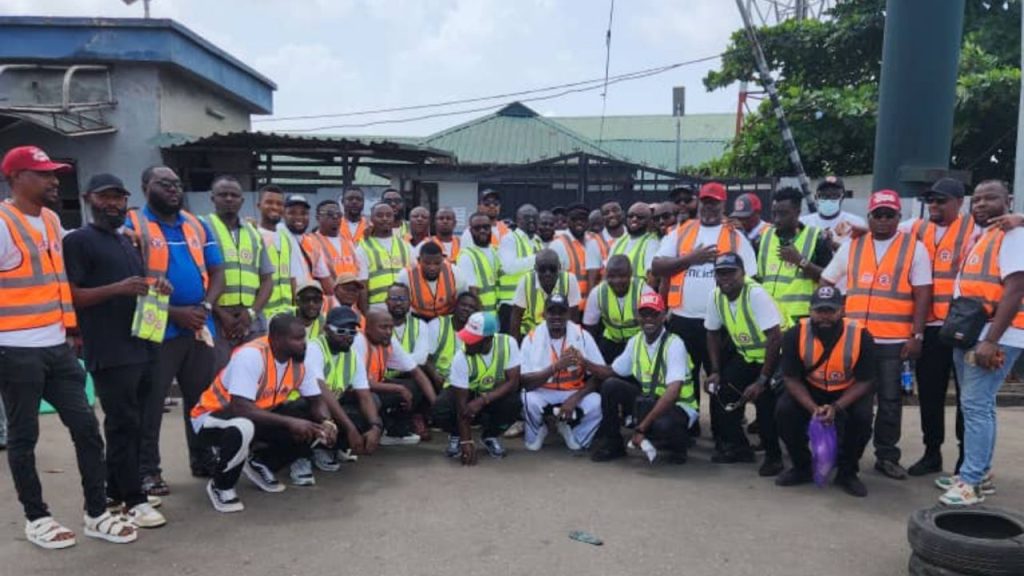
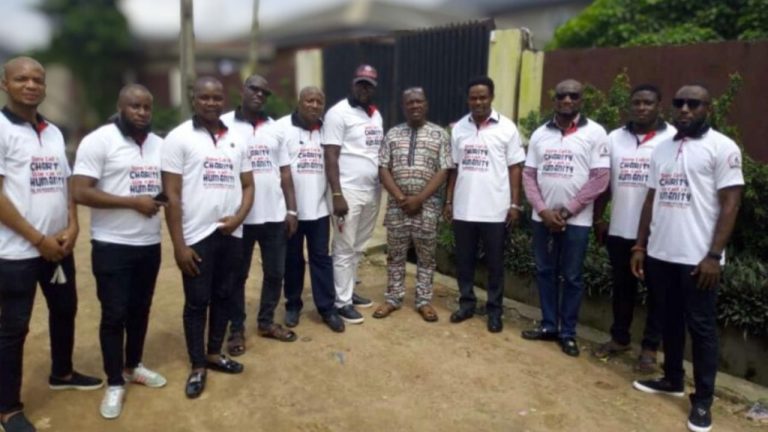
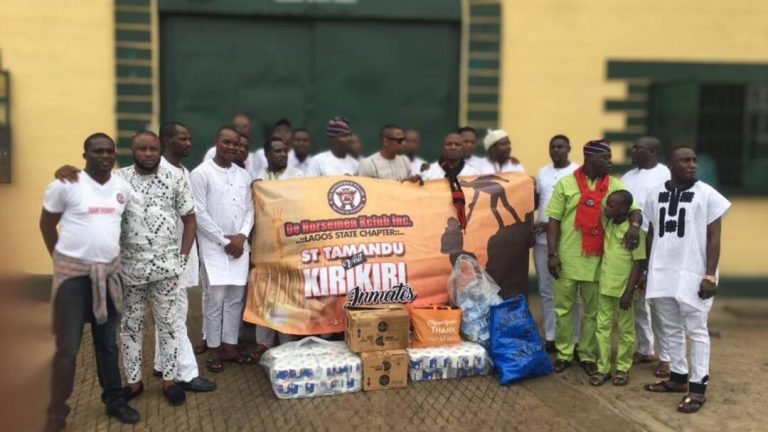
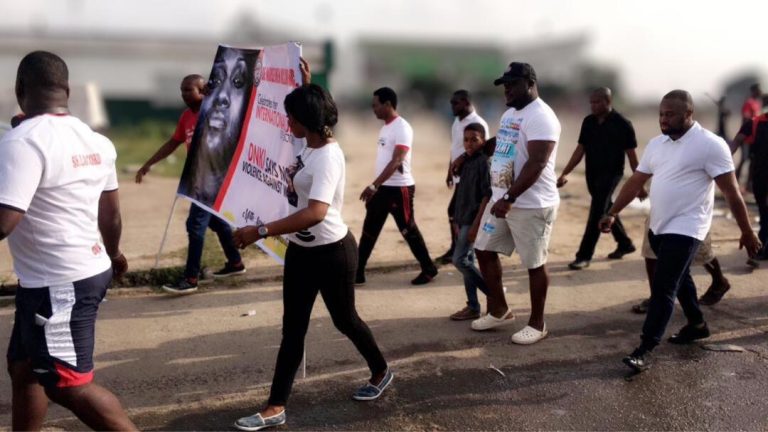
Over fifty (50) members of the Santa Tamandu Marine Patrol turned out for the exercise, assembled in the patrol’s distinctive vests and moving through the market with purpose and organisation. The occasion was graced by the presence of the Sailing Skipper, Norseman Charles Ubani, who led the patrol’s participation and lent the full authority of his office to the exercise. Representatives of the Patrol Advisory Council were also in attendance, affirming the institutional endorsement of the initiative. The patrol was further honoured by the presence of Norseman Shola Qiwa, former Internal President of De Norsemen Kclub International, whose distinguished service to the brotherhood added weight and significance to the day’s proceedings.
The centrepiece of the outreach was the distribution of five hundred (500) insecticide-treated mosquito nets to community members. The choice of this intervention was deliberate and evidence-based. Insecticide-treated nets are among the most consistently effective tools available in the global fight against malaria transmission. They work by creating a physical and chemical barrier between the sleeping human and the mosquito, the primary vector of the plasmodium parasite responsible for most malaria deaths in sub-Saharan Africa. Malaria-carrying mosquitoes are most active in the hours after sunset, precisely when families are asleep, and it is in those dark and unguarded hours that the disease does its deadliest work. A treated net is not a luxury. For a child sleeping in a home without screened windows in a city like Lagos, it is the difference between waking up and not waking up.
Each of the five hundred nets distributed by STMP on this day represents a specific and nameable act of protection. It represents a mother who will sleep without fear for her infant tonight. It represents an elderly man whose compromised immune system will not have to contend with a mosquito bite in the early hours. It represents a family that will not have to choose, as far too many Nigerian families are forced to choose, between spending their last naira on malaria medication and spending it on food. Five hundred nets. Five hundred families. Five hundred decisions to act rather than observe. This is not a gesture. This is the work.
Five hundred nets. Five hundred families. Five hundred decisions to act rather than observe. This is not a gesture. This is the work.
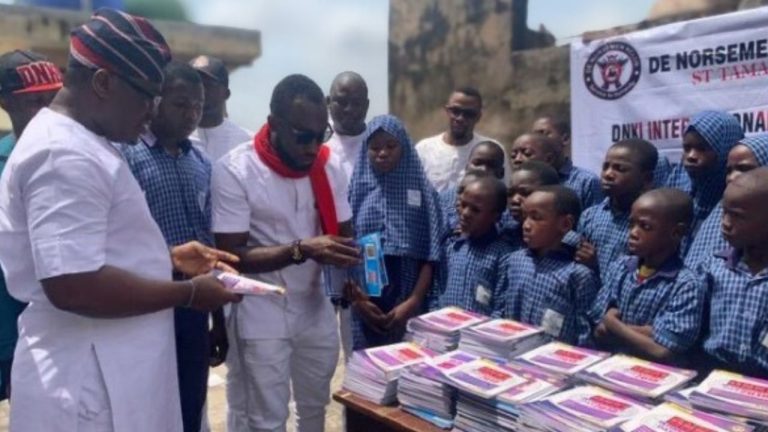
The distribution was conducted with order and dignity. STMP members moved through the market engaging community members directly, explaining the importance of consistent net use, and ensuring that nets reached those most in need, particularly the elderly and mothers with young children. In a market environment where scepticism of unfamiliar groups is entirely rational, the patrol’s consistent presence, professional conduct, and genuine engagement with community members created the trust necessary to make the exercise effective. People did not merely receive nets. They received information, attention, and the visible evidence that an organised group of Nigerians had decided that their welfare mattered enough to show up.
The significance of this kind of community-led action cannot be overstated in the Nigerian context. The formal public health system in Nigeria, while staffed by dedicated professionals, faces structural resource constraints that limit its reach into the dense, informal commercial environments where much of the country’s urban poor live and work. Civil society, faith organisations, and groups like the Santa Tamandu Marine Patrol occupy a critical gap in this landscape. They carry social credibility in communities where institutional trust is low. They can move quickly without bureaucratic delay. They can prioritise the marginalised in ways that large formal campaigns sometimes cannot. And they can sustain engagement over time in a way that one-off government programmes rarely achieve. The Norsemen of STMP are not supplementary to the public health effort. They are part of it.
World Malaria Day 2026 falls at a moment of particular urgency. The WHO has warned that malaria progress is under threat from multiple fronts simultaneously. Drug resistance to artemisinin-based treatments, the current first-line defence, has been confirmed in four African countries and is spreading. Insecticide resistance to the chemicals used on bed nets is widespread, confirmed in 48 of 53 reporting countries. A projected funding gap of over five billion US dollars leaves the global malaria response dangerously under-resourced. And the cascading effects of climate change, conflict, and humanitarian crises are creating conditions in which malaria transmission accelerates. This year’s theme is not an expression of optimism alone. It is an honest confrontation with the risk that hard-won gains could be reversed. Now we can, and now we must, because if the moment passes without action commensurate to the challenge, the cost will be counted in lives, in Nigeria more than anywhere.
The Santa Tamandu Marine Patrol does not claim that five hundred mosquito nets will end malaria in Lagos. That claim would be both dishonest and unhelpful. What STMP claims, and what the evidence of this day supports, is that organised, principled, community-directed action by Nigerians for Nigerians is not only possible but necessary, and that when Norsemen commit their resources and their presence to a cause, the commitment is real, visible, and felt by those it is intended to serve. The families of Abattoir Market, Agege, received something of practical value today. They also received something less tangible but no less important: the knowledge that they were seen, and that the men who showed up for them did so without expectation of return.
That is what Service to Humanity looks like when it leaves the page and enters the market.
Santa Tamandu Marine Patrol (STMP)
De Norsemen Kclub International (DNKI)
April 2026
Santa Tamandu Marine Patrol (STMP) | A Chapter of De Norsemen Kclub International (DNKI)
Service to Humanity
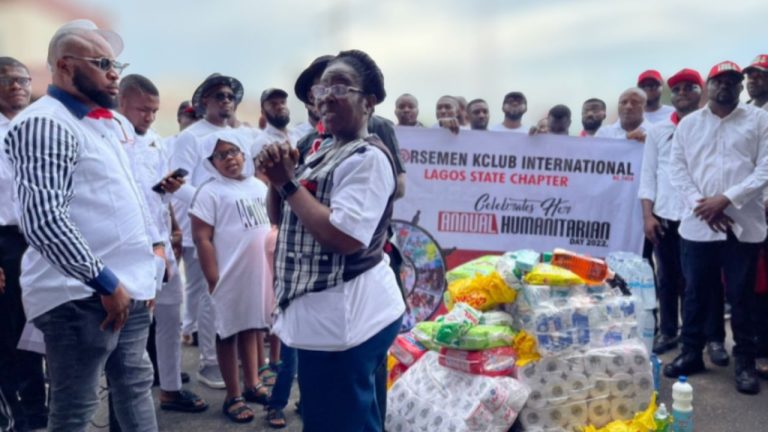
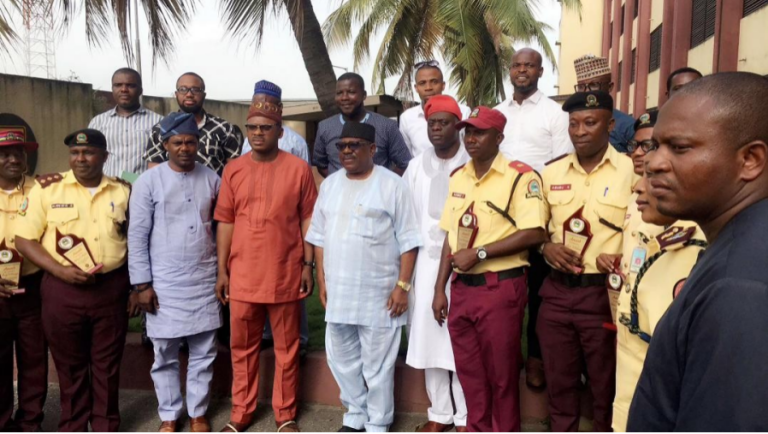
Malaria may be small in size, but together our resolve is greater, through awareness, prevention, and action, we can protect lives and build a healthier tomorrow. The fight against malaria is a fight for every heartbeat. Thank You STMP